



The Conococheague Creek is one of the largest tributaries of the Upper Potomac River and flows from Pennsylvania into Maryland before meeting the Potomac near Williamsport. The creek has drawn significant attention from the Potomac Riverkeeper Network because of persistent bacteria contamination and broader water quality concerns.
The Conococheague Creek flows directly into the Potomac River, which continues to absorb the consequences of more than 240 million gallons of raw sewage released into the watershed through combined sewer overflows and infrastructure failures in recent years.
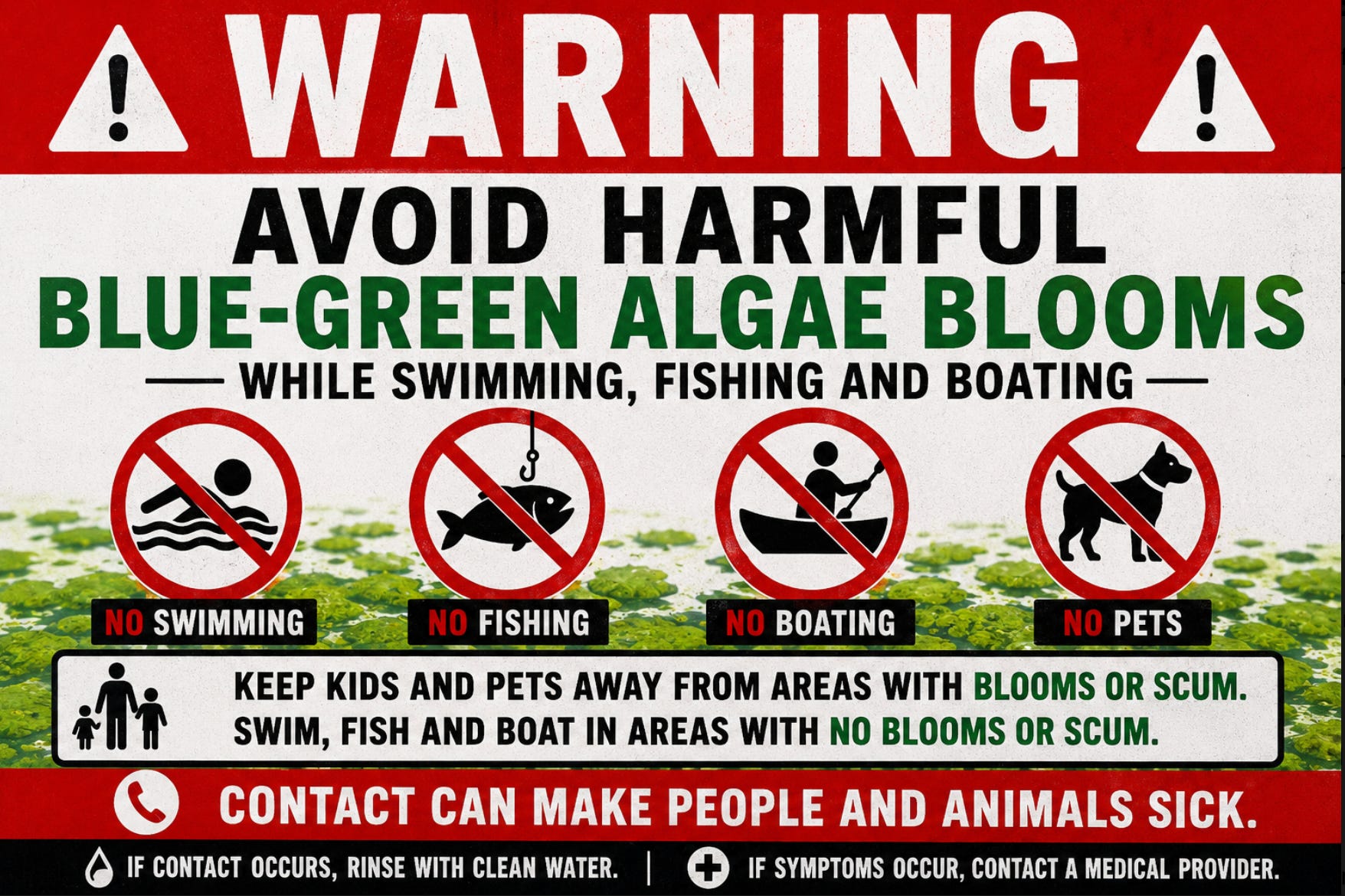
In August 2024, the Upper Potomac Riverkeeper announced that harmful cyanobacteria had been detected in the Conococheague Creek, prompting warnings to residents and pet owners to avoid contact with affected portions of the waterway. The discovery did not establish what caused the bloom, nor did it suggest that any single source was responsible. But it served as a reminder that the Conococheague watershed is not immune from the kinds of environmental pressures increasingly affecting waterways across the region.
All of this is relevant to the current situation. The Department of Homeland Security (DHS) is attempting to convert an 825,000-square-foot industrial warehouse in Williamsport, Maryland, into a massive ICE detention facility despite overwhelming concerns about its environmental impacts, infrastructure demands, and human rights implications. One of the most serious environmental concerns associated with the proposed ICE detention warehouse is wastewater. According to DHS’s own environmental review documents, the facility would generate approximately 187,000 gallons of wastewater every day. That wastewater has to go somewhere.
Washington County’s sewer infrastructure is already at capacity, and increasing the current property’s daily sewage output by over 234 times would overwhelm collection lines, pump stations, and treatment capacity. When sewer systems exceed their capacity, the result is sanitary sewer overflows, where untreated or partially treated sewage backs up into streets, properties, and waterways.
If sewage spills occur, they would not remain confined to the detention facility site. The area drains into local streams that ultimately connect to the Conococheague Creek, then flow down the Potomac River, and then the Chesapeake Bay, meaning contamination would move far beyond Washington County. Raw sewage releases would introduce bacteria, viruses, excess nutrients, and other pollutants into waterways, harming aquatic ecosystems, degrading water quality, and creating public health risks for downstream communities.
In February 2026, Maryland Attorney General Anthony Brown sued DHS after the agency attempted to move forward with the project without conducting the environmental review required by federal law. The lawsuit showed that DHS unlawfully fast-tracked the project while failing to adequately evaluate impacts on local waterways, wastewater systems, traffic, emergency services, public health, air quality, and surrounding communities.
This led to a federal judge largely halting the project and forcing DHS to begin the environmental review process it had previously attempted to avoid. As a result, DHS was forced to create a public record and consider public input before moving forward and led to DHS opening a 30 day period allowing the public to submit comments until July 1 as part of the environmental review process.
However, DHS is asking the public to comment on the environmental impacts of this project while refusing to release the underlying studies and assessments it says it relied upon to conclude that it is “not aware of any potential for significant environmental impacts.” Those include things like wastewater and domestic water infrastructure assessments, environmental site assessments, utilities reports, and other technical studies that the public has never been allowed to see.
None of this means the proposed detention center would cause harmful algal blooms in the Conococheague or that any future water quality problems could be traced back to a single source. That is not the argument being made here.
The question is whether DHS has adequately analyzed what adding nearly 200,000 gallons of wastewater per day could mean for a watershed that has already experienced bacteria contamination, nutrient challenges, and harmful algal blooms in recent years. Environmental review is supposed to examine projects in the context of existing conditions, not in isolation from them. The health of the watershed today matters when evaluating how much additional strain it can absorb tomorrow.
That is precisely why DHS’s refusal to release the underlying studies is so difficult to justify. The agency says it relied on wastewater infrastructure assessments, environmental site reviews, utilities analyses, and other technical documents before concluding that it was “not aware of any potential for significant environmental impacts.” Yet the public is being asked to evaluate that conclusion without seeing any of the information that produced it.
The timing of all of this raises obvious questions. On June 30, the Washington County Commissioners are scheduled to formally recognize volunteers who removed more than 51,000 pounds of litter, tires, and debris from the Conococheague and Antietam watersheds, celebrating their commitment to environmental stewardship and the protection of local waterways throughout Washington County. Those volunteers absolutely deserve that recognition.
More difficult to reconcile is the fact that this celebration of watershed protection comes as local officials continue to support a project that DHS itself acknowledges will involve significant water and wastewater demands. The proposed detention center sits beside Semple Run, upstream of the Conococheague Creek and ultimately the Potomac River, and is expected to generate nearly 200,000 gallons of wastewater every day. Washington County appears willing to applaud residents for removing pollution from these waterways while showing far less interest in scrutinizing what additional burdens may be placed on them in the future.
The contradiction becomes more difficult to ignore when viewed alongside the county’s recent discussion about slowing or temporarily pausing large-scale data center development in order to better understand potential impacts on water supplies, wastewater treatment capacity, infrastructure, and public services. County leaders have expressed a willingness to apply caution and demand an additional study when it comes to one form of large-scale development, while refusing to allow any public comment about a proposed ICE detention facility that DHS insists will not result in significant environmental impacts despite withholding the underlying studies and assessments it relied upon to reach that conclusion.
During the public comment period of the March 17, 2026, Washington County Commissioners meeting on proposed 911 fee increases, Washington County NAACP President Taj Smith drew a connection between the reported $3.7 million shortfall and the proposed ICE detention facility, a project for which the commissioners have refused to hold any public comment period or public hearing.
Washington County Commissioners President John Barr then ordered Smith removed from the meeting before she could finish her remarks.
(Side note: sign up here to register to speak at the hearing on data centers. The Washington County Commissioners do not want you to speak during this hearing and this hearing has only received community attention because a Washington County Indivisible leader discovered a hearing was added to this page.)

These decisions suggest a county government that may only be concerned about environmental impacts when it is politically convenient. After all, this is same Board of County Commissioners which only just a few months ago was pushing for legislation which would loosen septic-related regulations in Washington County, despite longstanding concerns about wastewater capacity, runoff, failing septic systems, and downstream impacts on local waterways.
Protecting waterways involves more than celebrating cleanup efforts after problems appear. It also means asking difficult questions before new environmental pressures are introduced into an already stressed watershed.
The issue extends beyond the ICE warehouse detention center itself. The Conococheague eventually empties into the Potomac River, meaning any environmental consequences associated with wastewater, nutrient loading, or infrastructure failures would not stop at the Washington County line. Communities throughout Maryland, West Virginia, Virginia, Pennsylvania, and the District of Columbia share an interest in ensuring that major federal projects receive the level of environmental scrutiny required by law.
If DHS believes the project’s wastewater generation will not significantly affect local waterways, it should release the analysis supporting that conclusion. If the agency believes existing infrastructure has sufficient capacity and resilience to absorb those demands, it should release the studies supporting that conclusion as well.
The public comment period closes on July 1. Before DHS asks communities throughout the Potomac watershed to accept assurances about environmental impacts, the agency should make public the information it relied upon to reach those assurances in the first place. And Hagerstown Rapid Response and Washington County Indivisible encourage you to tell DHS exactly that.
Here’s one very specific thing you can ask for in your public comment:
Request that DHS publicly release the reports and assessments it claims to have relied upon when concluding that it is “not aware of any potential for significant environmental impacts” from this project.
Submit your public comment now at NoKingsNoCamps.com
Just a reminder, there will be a protest this Tuesday, June 30 at 9:00 AM outside the Washington County Commissioners meeting.
Location: 100 W Washington St, Hagerstown, MD
gtfoice.org meets mon-do you work w/ them?